Beyond the Trend: How ASMR Can Fight Digital Fatigue
Written by Cynthia Pan | April 7, 2026
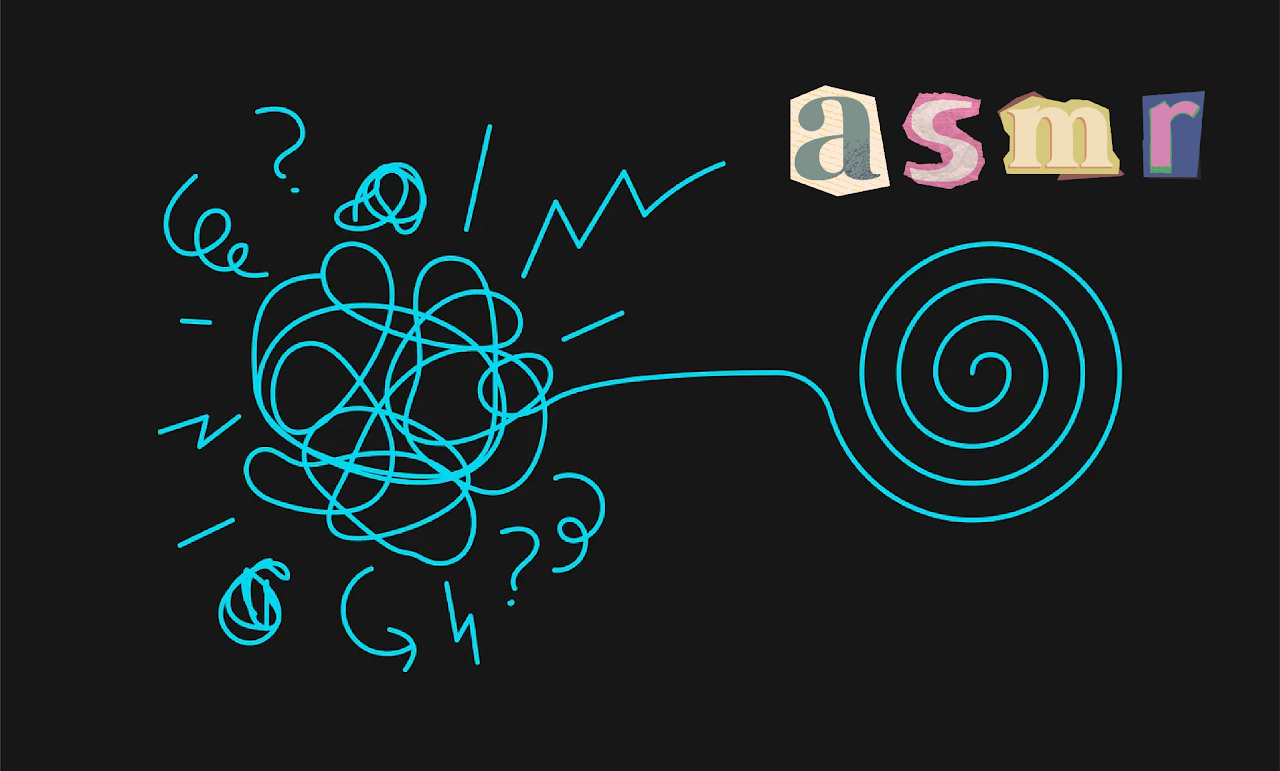
Trying to read in a crowded room where there is constant tapping, loud page-turning, and noisy keyboard clacking is exactly how it feels to use the typical smartphone. Sensory overload is a common flaw in today’s digital world and we need to move away from overstimulating the brain.
What is ASMR?
Autonomous sensory meridian response, better known as ASMR, is a term used to describe a tingling sensation throughout the body in response to gentle stimulus. By incorporating light sensory signals and audio-driven haptics, designers can progress towards inclusive and suitable designs.
Technology Should Respect Our Attention
Digital products should be designed for humans just how they are, not how we want them to be. Don Norman supports this through his principle that feedback reduces confusion and strengthens discoverability. However, this feedback should be immediate, not taxing. It’s been reported that around 27% of neurodivergent users abandon interfaces due to clutter, sensory overload, and poor contrast.
Calm Technology is the solution. Technology should cooperate with, not against, human attention. Research indicates that multimodal feedback, combining sound, touch, and sight, minimizes cognitive strain. By diffusing the mental load across multiple senses, this approach effectively mitigates the constraints of Multiple Resource Theory.
The key to integrating effective ASMR-like effects in UX is exactness. Audible feedback must be gentle enough and occur within 24ms. This offers clear confirmation of successful task completion without having the user stare at the screen, taking the load off the visual channel.
Designing for 20% to Benefit 100%
The National Library of Medicine reports that 15% to 20% of the world’s population is neurodivergent. This includes those with ADHD, autism, dyslexia, and sensory processing disorders. The transition to multimodal design can also potentially become useful for everyone. This is the Curb-Cut Effect. By developing ASMR-inspired cues for the 20% of neurodivergent users, we are supplying an antidote for 100% of the population.
ASMR In Action
The success of sound-tech integration is evident through apps like Endel, which uses AI personalized soundscapes to support focus, relaxation, and sleep. The app increased focus by seven times and decreased stress by 3.6 times.
Keeping The User In Control
The user must always be in the driver’s seat. For some people, the gentle “pings” and tingles can be a source of significant distress. This is true for those with misophonia. Calm technology shouldn’t force sensory input, it should invite the user to participate if they choose to.
ASMR going from just a viral trend to a design necessity can be a milestone in how we serve the human mind. Building for the 20% who need sensory anchors can help create a more tolerable and safe online environment for the other 80% too. In the end, UX design isn’t about imprisoning more of our attention. It’s about valuing the remaining attention.
A Designer's Perspective
As a designer, I see the constant battle for "user engagement" often turning against the user’s own peace of mind. Designers have spent years designing for the eyes, but we’ve neglected the ears and the sense of touch, leading to the digital burnout we see today.
In my view, the future of UX isn't about more vibrant colors or faster animations, it’s about sensory respect. To create with neurodivergent users in mind, it's not just checking an accessibility box, it's creating a more "quiet" interface that benefits everyone. If we can solve for the most sensitive among us, we create a digital world that is kinder and more habitable for all.
My Perspective as a UX Designer
From my personal experience, the interest in Liquid Glass isn’t just about decoration, it’s more emotional than that. There is a clear difference between current and flat UI versus a dynamic one. Content on a screen feels easier to digest for longer periods of time with Liquid Glass. I”ve actually tried implementing the effect in a few of my designs and it enhanced the UI.
Additionally, I believe that it can help reduce digital fatigue. Currently, I’m researching a topic regarding the inclusion of audio in UX design to help mitigate sensory overload for neurodivergent groups who may experience a sensitivity to stimulation. What I’ve found was that stimulating the other senses through audio or haptics can also help to reduce digital fatigue. If we start to include design elements that stimulate the brain in a more relatable or dynamic way, we can design for visual softness and cognitive ease. This is one of the most notable responsibilities we have as designers.
